20 Books for Your Tradwife Nightmare Era
There are people on the internet who genuinely believe we should all go back to a simpler time.
You know. A little sourdough. A few chickens. A husband who handles the finances. Maybe eight children before you turn 30.
Very peaceful. No notes.
Yesteryear takes that particular corner of the internet and asks a fairly important question:
Okay, but what if you actually had to live there?
And apparently, that’s exactly the kind of premise I need in my life.
The problem with making a list of books like Yesteryear is that there aren’t twenty other books doing exactly what this one does. And thank God, honestly, because the publishing industry probably doesn’t need an entire subgenre devoted to sending influencers back to 1855.
So we’re getting creative.
There are psychological thrillers. Feminist dystopias. Terrible marriages. Influencers behaving badly. Women being held to completely reasonable and not-at-all-impossible standards. A little time travel. A little social commentary. Several situations that could have been avoided if everyone involved had simply gone to therapy.
In other words, we’re matching the vibes, not just the plot.
And the vibes are terrible.
Welcome to your tradwife nightmare era.
Books like Yesteryear
TRADWIVES + INFLUENCER SECRETS
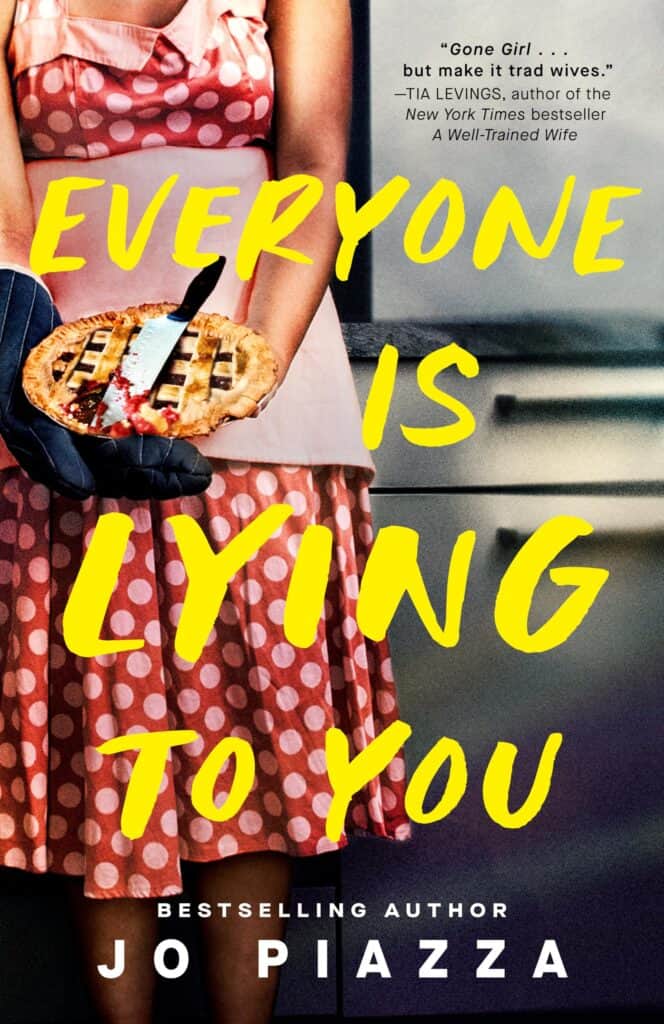
1. Everyone Is Lying to You by Jo Piazza
Lizzie and Bex were best friends before Bex became a wildly successful tradwife influencer with millions of followers and a seemingly perfect life.
Then Bex’s husband is murdered, Bex disappears—and Lizzie gets pulled into figuring out what the hell actually happened.
Turns out, the internet may not have been getting the whole story.
If you want the tradwife and influencer parts of Yesteryear with considerably more murder and considerably less accidental time travel, start here.
Everyone Is Lying to You plays with that same gap between the life someone sells online and the one they’re actually living. Bex has turned marriage, motherhood and traditional femininity into content—and built an enormous audience that thinks it knows her because of it.
Obviously, this goes extremely well.
What makes this such a good follow-up to Yesteryear is that neither book is really interested in whether homemade bread and pretty dresses are inherently sinister. It’s the performance that gets interesting: turning your marriage into a brand, selling strangers an idealized version of womanhood and then having to keep that version of yourself alive even when reality is considerably messier.
Except this one wraps all of that up in a psychological thriller.
Read this if you like: tradwife drama, influencer culture, female friendships, murder mysteries and perfect lives that are very obviously not perfect.
TRADWIVES + BODY HORROR
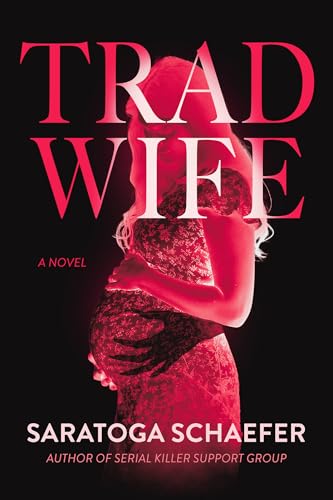
2. Trad Wife by Saratoga Schaefer
Camille has built her life around becoming the perfect tradwife influencer.
But when a wish at an old well finally gets her pregnant, she starts to suspect there might be something very wrong with her baby.
Like demon-baby wrong.
If Yesteryear made you think, You know what this needs? More demons, I have excellent news.
Trad Wife takes a lot of the same ingredients—tradwife influencers, carefully curated domestic bliss, marriage, motherhood and the pressure to perform the perfect version of femininity online—and turns them into full-blown horror.
Camille doesn’t just want a baby because she wants to be a mother. A baby is also the missing piece of the life she’s selling. Her followers are waiting. Her marriage isn’t exactly thriving. And becoming pregnant might finally make everything look the way it’s supposed to.
Then the pregnancy starts getting weird.
Like rapidly growing belly and craving raw meat weird.
This one is obviously much gorier than Yesteryear, but that’s exactly why it belongs here. Both books take the picture-perfect tradwife aesthetic and start poking at what happens when maintaining that image becomes more important than acknowledging the increasingly horrifying reality underneath it.
One just happens to involve 1855.
The other involves a demon baby.
Choose your nightmare.
Read this if you like: body horror, tradwife satire, influencer culture, messy motherhood and books that take a completely unhinged premise and commit to it.
PERFECT WIVES + SOMETHING VERY WRONG
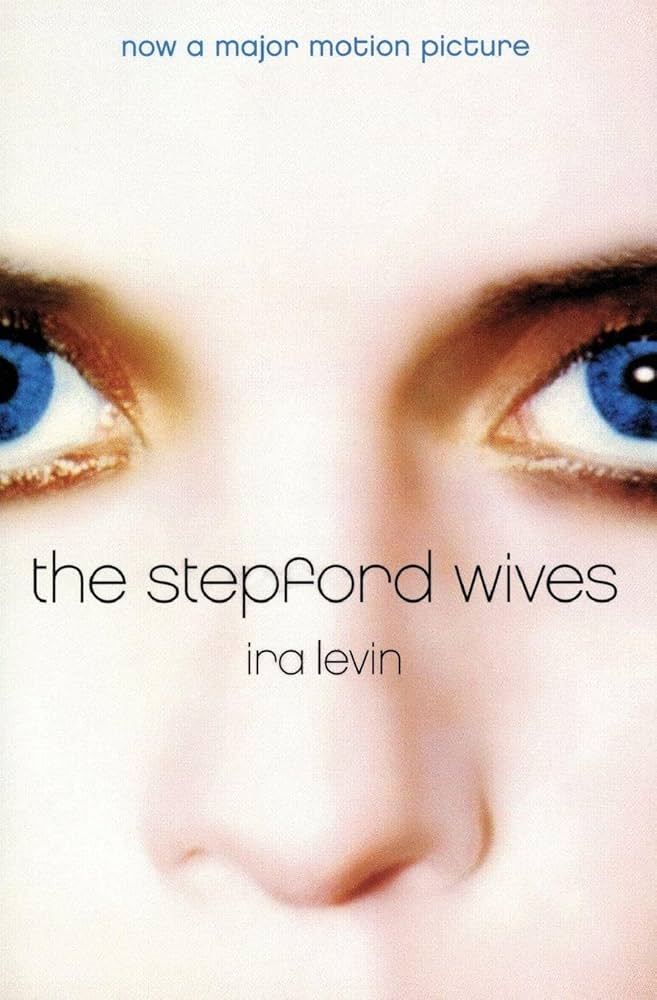
3. The Stepford Wives by Ira Levin
Joanna moves to the picture-perfect town of Stepford, where the wives are beautiful, obedient and weirdly obsessed with housework.
Naturally, Joanna starts to wonder what the f*ck is going on.
If we’re talking about books that take the fantasy of the perfect traditional wife and ask “Okay, but have we considered that this is actually terrifying?” we have to include The Stepford Wives.
There’s a reason we’re still calling eerily perfect, submissive women “Stepford wives” more than 50 years after this book was published.
And despite coming out in 1972, the whole thing feels remarkably at home beside Yesteryear.
The women of Stepford have essentially achieved the fantasy being sold all over the internet right now. Beautiful homes. Happy husbands. Perfect appearances. No pesky ambitions getting in the way of keeping the floors spotless.
Joanna is considerably less enthusiastic about the arrangement.
It’s short, creepy and increasingly unsettling as Joanna realizes that Stepford’s version of domestic perfection isn’t just a weird cultural quirk—and that whatever is happening to the other women might be coming for her next.
No influencers. No Instagram. No sourdough content.
Just the deeply uncomfortable question of who exactly benefits when the “perfect wife” stops being a person and becomes a role.
Read this if you like: feminist horror, suburban nightmares, creepy husbands, social satire and domestic perfection that is very obviously hiding something horrible.
WOMEN + A VERY BAD IDEA
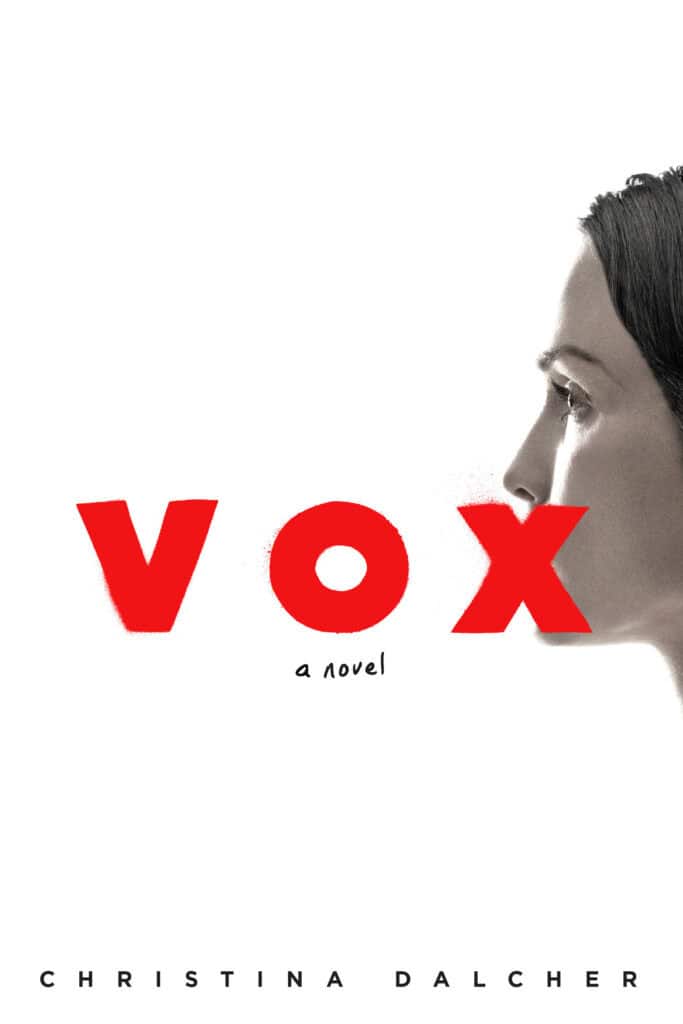
4. Vox by Christina Dalcher
Women are allowed to speak just 100 words a day.
Go over your limit and the bracelet around your wrist makes sure you regret it.
Jean McClellan would very much like a word. Or several hundred.
Vox is probably the book I thought of first when I started reading Yesteryear.
The two books aren’t particularly similar in plot. Nobody gets thrown back in time, there are no influencers making sourdough for Instagram and Vox is considerably more dystopian.
But both books are playing with the same uncomfortable idea: what happens when romanticizing “traditional” roles for women stops being an aesthetic and starts determining how women are actually allowed to live?
In Vox, America has decided women belong at home. They can’t hold jobs, girls aren’t taught to read or write and every woman gets just 100 spoken words per day. Jean, who was once a successful scientist, is suddenly expected to quietly embrace domestic life instead.
She is, unsurprisingly, not thrilled about it.
It’s darker than Yesteryear and much less interested in making you laugh, but if the social commentary is the part that grabbed you, Vox takes that idea and goes all in.
Read this if you like: feminist dystopias, social commentary, women behaving inconveniently and books that make you increasingly angry on their behalf.
MOTHERHOOD + DYSTOPIAN NIGHTMARE
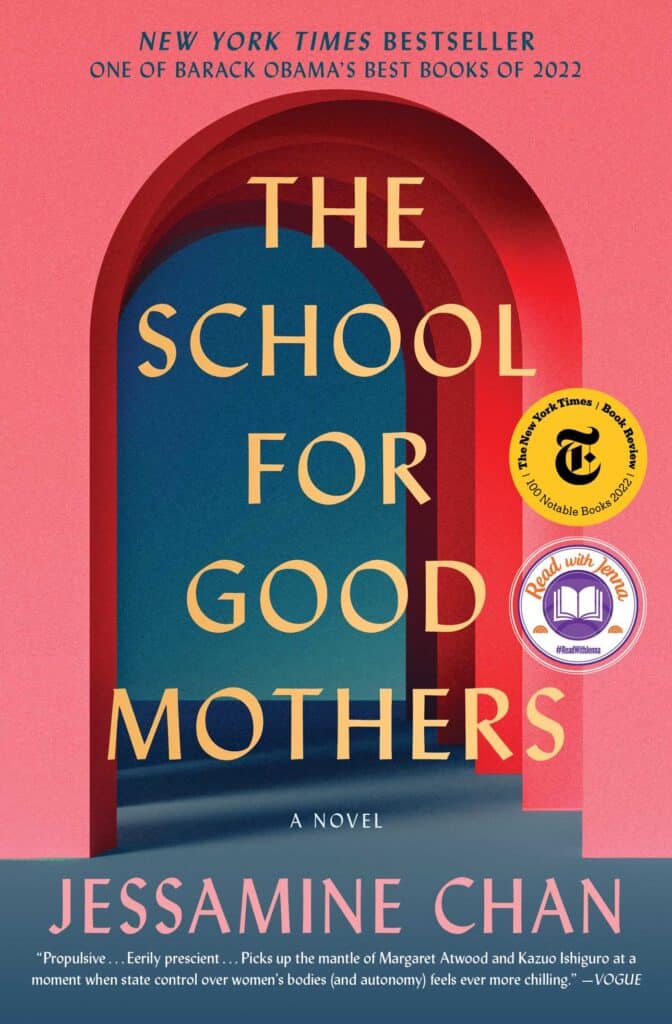
5. The School for Good Mothers by Jessamine Chan
Frida makes one bad parenting decision.
The government responds by sending her to a school where she has to prove she deserves to keep her daughter.
Seems proportionate.
Apparently there is a correct way to be a mother.
And if you get it wrong, the government would be happy to teach you.
The School for Good Mothers takes all the impossible expectations we place on mothers—the patience, the selflessness, the constant attention, the requirement to somehow instinctively know exactly what your child needs—and turns them into an actual system women can fail.
That’s where it fits so well with Yesteryear.
Both books are interested in the idea of the “good mother” as a performance. There’s always another standard to meet, another sacrifice you’re supposed to make and someone ready to tell you you’re doing it wrong.
This one is much more dystopian and deliberately uncomfortable, but it has the same knack for taking ideas about womanhood and motherhood that already exist and pushing them just far enough to make you realize how unsettling they were in the first place.
Read this if you like: feminist dystopias, complicated mothers, impossible expectations, social commentary and books designed to make you uncomfortable.
PERFECT HOUSEWIFE + SLOW UNRAVELLING
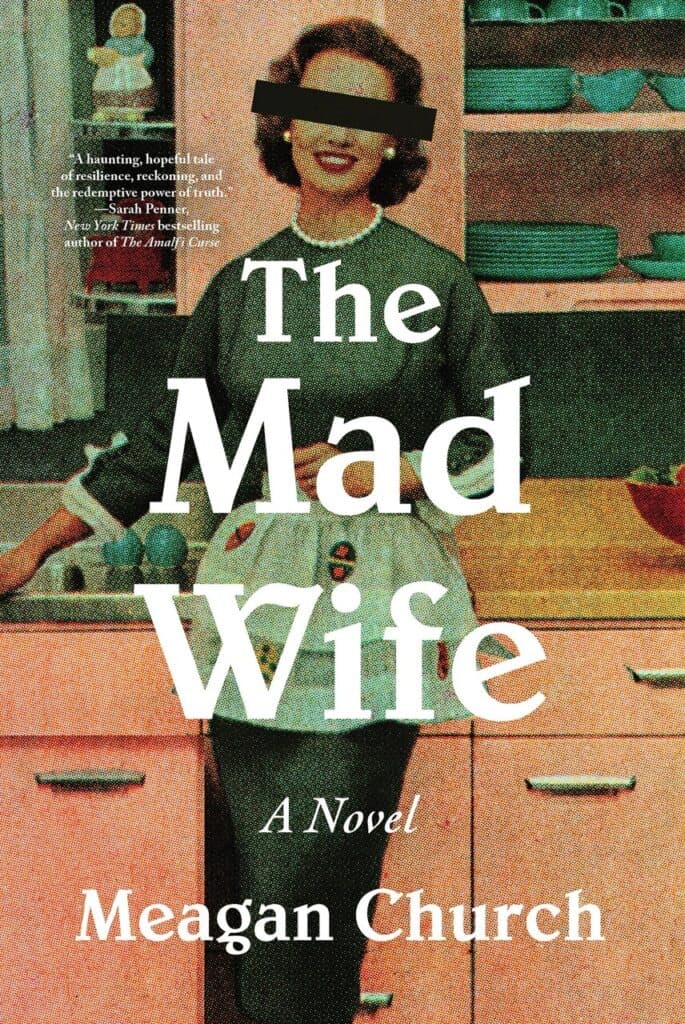
6. The Mad Wife by Meagan Church
It’s the 1950s, and Lulu Mayfield is supposed to have everything she wants: a husband, children and a nice suburban home.
So why is being the perfect housewife making her feel like she’s losing her mind?
There’s something particularly unsettling about being miserable in a life everyone keeps insisting should make you happy.
That’s where The Mad Wife comes in.
Lulu is living in the era that so much of the modern tradwife aesthetic is borrowing from—the dresses, the homemaking, the husband who provides while his wife takes care of the children and home.
Except this isn’t an Instagram recreation of the 1950s.
Lulu is actually there.
And as the expectations of marriage and motherhood start closing in around her, the line between what’s happening to Lulu and what everyone else insists is happening becomes increasingly difficult to trust.
That makes it an interesting companion to Yesteryear. Both books strip away some of the nostalgia surrounding traditional domestic life and look at the woman who actually has to live inside it.
Turns out, the aesthetic is considerably easier when you can log off.
Read this if you like: historical fiction, complicated marriages, unreliable narrators, motherhood, slow-burn psychological tension and picture-perfect lives with cracks underneath.
INFLUENCERS + DYSTOPIA
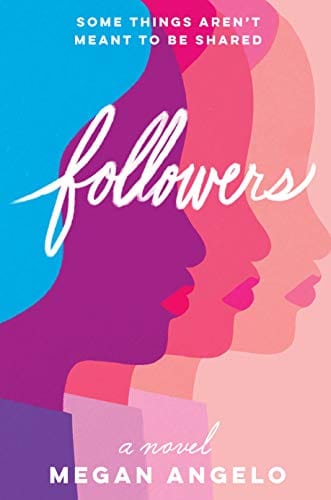
7. Followers by Megan Angelo
In 2015, Orla is desperate to become famous online.
Thirty-five years later, Marlow is famous for doing basically everything online.
Neither situation is going particularly well.
Before you voluntarily put your entire life on the internet, perhaps consider Followers.
Just as a precaution.
This one follows two women in two timelines: Orla, an aspiring writer who discovers she can manufacture internet fame, and Marlow, who lives decades later in a world where her entire existence is broadcast to millions of followers.
And I mean entire existence.
The connection to Yesteryear isn’t the tradwife part. It’s the uncomfortable question of what happens when your actual life becomes the product you’re selling.
Natalie has built a version of herself for an audience. So have the women in Followers. Eventually, maintaining that version of yourself becomes considerably more complicated than posting a pretty picture and collecting the likes.
It’s more speculative and satirical than psychological thriller, but if the influencer culture in Yesteryear fascinated you, this is absolutely one to pick up.
Read this if you like: influencer culture, dystopian fiction, social satire, internet fame and people making objectively terrible decisions for followers.
MOTHERHOOD + ABSOLUTE WEIRDNESS
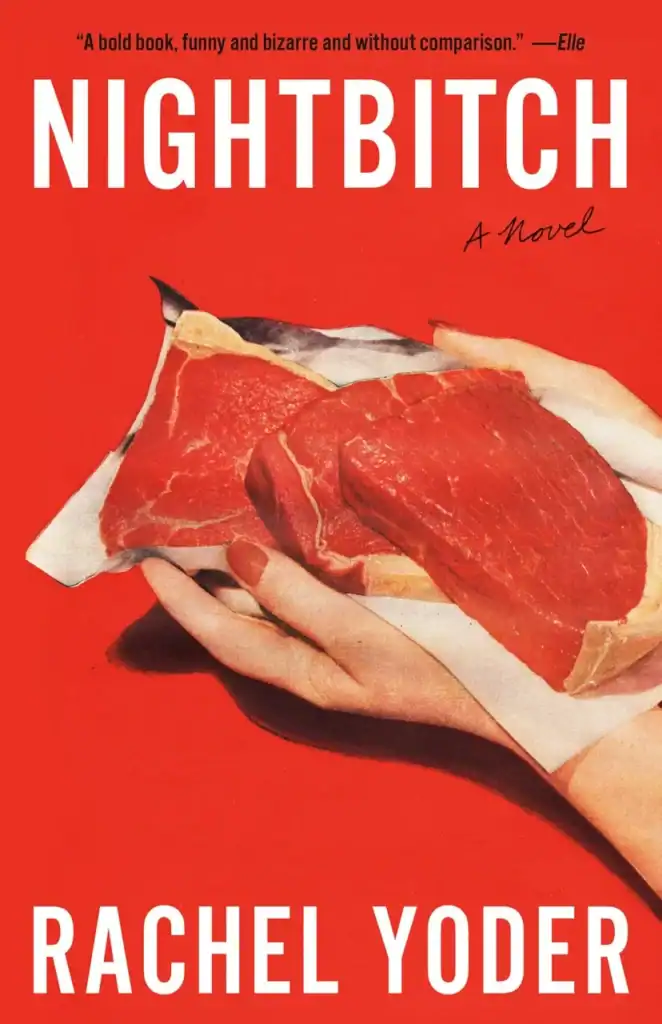
8. Nightbitch by Rachel Yoder
An exhausted stay-at-home mom becomes convinced she’s turning into a dog.
Her husband thinks she’s joking.
She is increasingly certain she is not.
Listen, sometimes motherhood changes you.
Sometimes you grow fur and develop an overwhelming desire to run through the neighborhood at night.
These things happen.
Nightbitch is easily one of the weirdest books on this list, but underneath all the dog-related chaos is a story about a woman who has disappeared into motherhood.
She used to be an artist. Now she’s mostly Mom—home with her toddler while her husband travels for work, increasingly angry at the expectations surrounding motherhood and increasingly disconnected from the person she used to be.
And then there’s the tail.
Like Yesteryear, this isn’t really interested in telling us that motherhood or domestic life is inherently terrible. It’s interested in what happens when women are expected to find complete fulfillment there—and what happens to the parts of themselves that don’t fit neatly into that role.
It is strange. It is funny. It is uncomfortable.
And yes, she might actually be turning into a dog.
Read this if you like: weird fiction, motherhood, female rage, dark humor, social commentary and books that make you say, “I’m sorry, she’s turning into WHAT?”
PATRIARCHY + DYSTOPIA
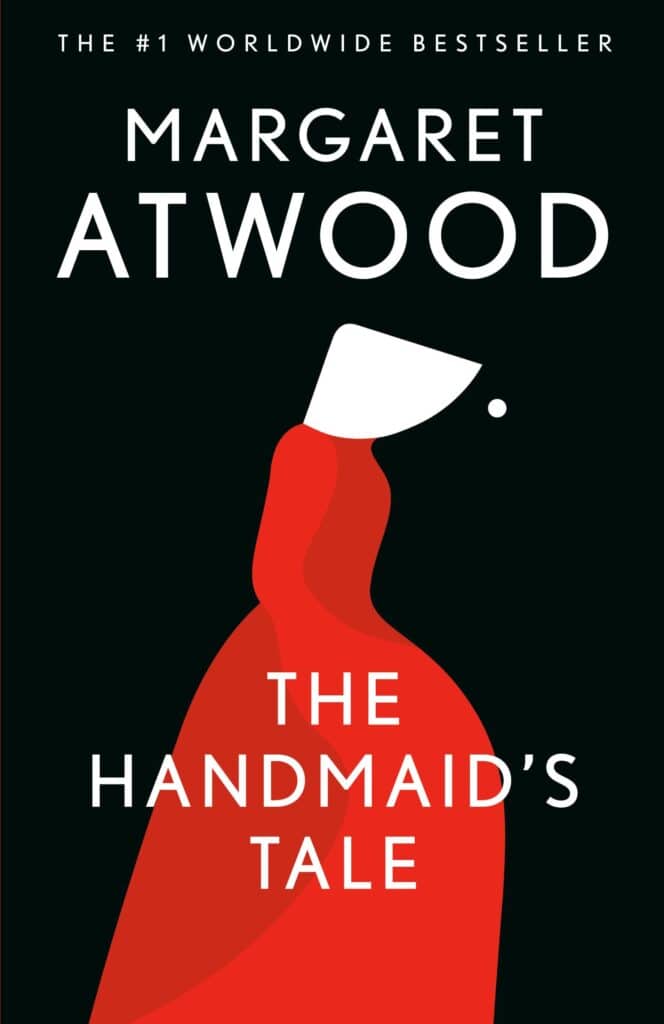
9. The Handmaid’s Tale by Margaret Atwood
Offred lives in Gilead, where women have lost their rights and fertile women are assigned to powerful families to have their children.
Turns out, returning to “traditional values” can get pretty ugly.
Okay, this is the obvious one.
But sometimes the obvious book belongs on the list for a reason.
The Handmaid’s Tale takes the idea of returning women to supposedly traditional roles and follows it to one of its darkest possible conclusions. Women are divided according to what they can provide society, their choices are stripped away and their bodies aren’t really theirs anymore.
It’s obviously much darker than Yesteryear, and the two books are doing very different things.
But they both challenge nostalgia for a past in which women supposedly knew their roles, families were more traditional and everything was somehow simpler.
Simpler for whom, exactly?
If the part of Yesteryear that stuck with you was its commentary on gender roles rather than the thriller elements, this is the classic for a reason.
Read this if you like: feminist dystopias, social commentary, reproductive politics, unsettling speculative fiction and books about women refusing to quietly accept their assigned roles.
PERFECT PEOPLE + PERFORMATIVE LIVES
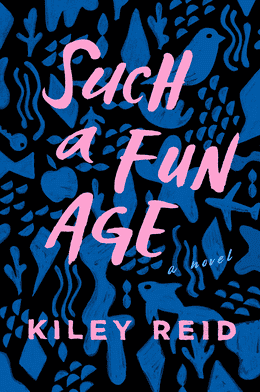
10. Such a Fun Age by Kiley Reid
Emira is accused of kidnapping the white child she babysits while shopping late one night.
Her employer, Alix, is horrified—and becomes increasingly determined to prove that she is absolutely, definitely one of the good people.
It gets awkward.
This is one of the less obvious Yesteryear recommendations on the list.
There are no tradwives. No time travel. No dystopian government.
Instead, Such a Fun Age is here because it’s very interested in the difference between who people actually are and the person they desperately want everyone else to believe they are.
Alix has built an identity around being successful, progressive and socially conscious. After what happens to Emira, she becomes increasingly preoccupied with their relationship—and with making sure that relationship says the right things about her.
Which gets uncomfortable very quickly.
That performance of identity is one of the most interesting parts of Yesteryear, especially when someone’s public persona becomes so important that reality starts becoming inconvenient.
Different story. Different subject matter. Same deeply human impulse to curate the hell out of yourself.
Read this if you like: social satire, complicated women, messy relationships, performative identities and books that make you cringe because everyone involved needs to stop talking immediately.
MARRIAGE + SPECULATIVE CHAOS
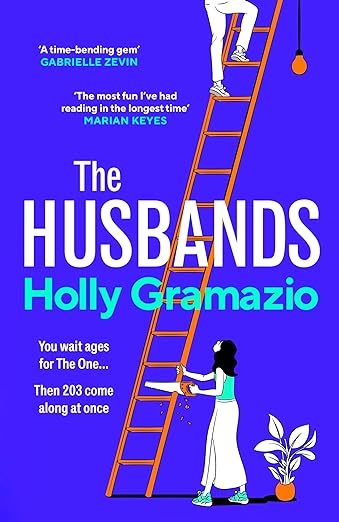
11. The Husbands by Holly Gramazio
Lauren comes home one night to discover she has a husband.
This is news to Lauren.
Then he goes into the attic—and a completely different husband comes back down.
Imagine Tinder, except instead of swiping left, you send your husband into the attic and the universe sends you another one.
Honestly, efficient.
The Husbands gives Lauren an apparently endless supply of possible lives. Every new husband comes with a different version of her marriage, her home, her friends and even herself.
At first, that’s kind of amazing.
Don’t like this one? Back to the attic.
But having unlimited choices turns out to create its own problems, and the book starts asking some surprisingly interesting questions about relationships, commitment and our obsession with finding the perfect life instead of actually living the one we’ve chosen.
That’s what earns it a place beside Yesteryear. It’s not a thriller and there’s nothing particularly tradwife about it, but both books use an absurd speculative premise to poke at marriage, identity and the lives women are told they’re supposed to want.
Read this if you like: weird premises, marriage stories, speculative fiction, dark-ish humor and wondering whether the grass really is greener with Husband #37.
OBSESSION + A PERFECT LIFE
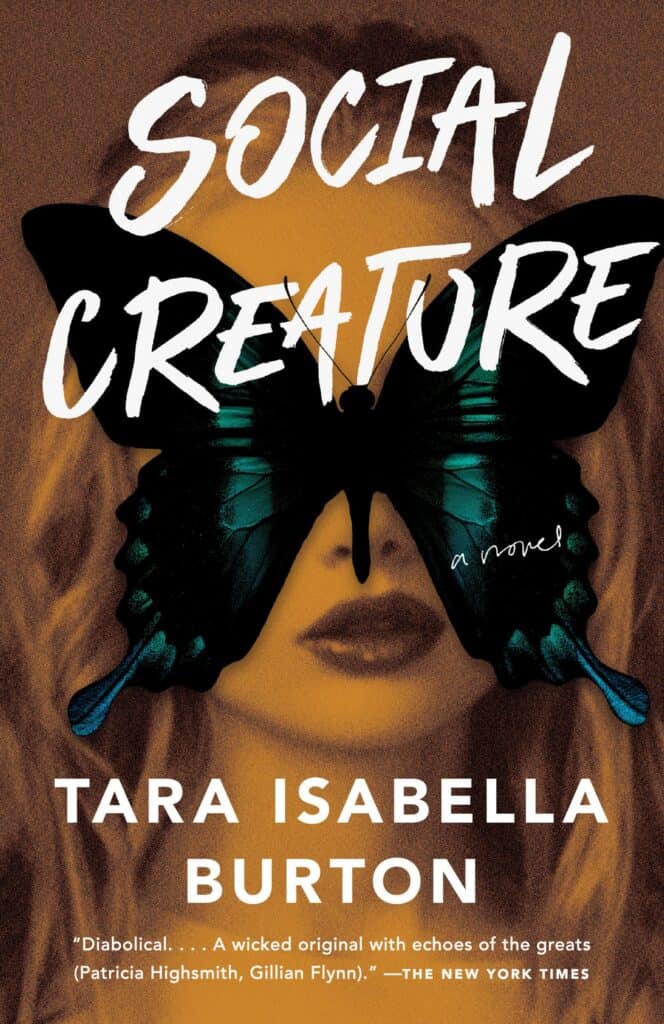
12. Social Creature by Tara Isabella Burton
Louise is broke and barely getting by in New York when she meets Lavinia, who is rich, glamorous and everything Louise isn’t.
Soon Louise is living in Lavinia’s world.
And she really, really doesn’t want to leave.
Social Creature is what happens when wanting someone else’s life goes approximately as well as you’d expect.
Which is to say: not well.
Lavinia’s world is parties, money, beautiful people and the kind of effortlessly glamorous existence that looks incredible from the outside. Louise gets pulled into it almost immediately—and the closer she gets, the more blurred the line becomes between admiring Lavinia and wanting to be her.
This one connects to Yesteryear through performance and identity more than anything else.
Both are interested in women constructing versions of themselves around what other people find desirable. Who are you when so much of your identity depends on an audience? And what happens when maintaining that identity starts requiring increasingly terrible decisions?
Social Creature is darker, messier and considerably more obsessive, with the psychological-thriller energy we’ve been missing for a few entries.
Read this if you like: toxic female friendships, obsession, social climbing, psychological thrillers and glamorous people behaving terribly.
PERFECT MARRIAGE + DARK SECRETS
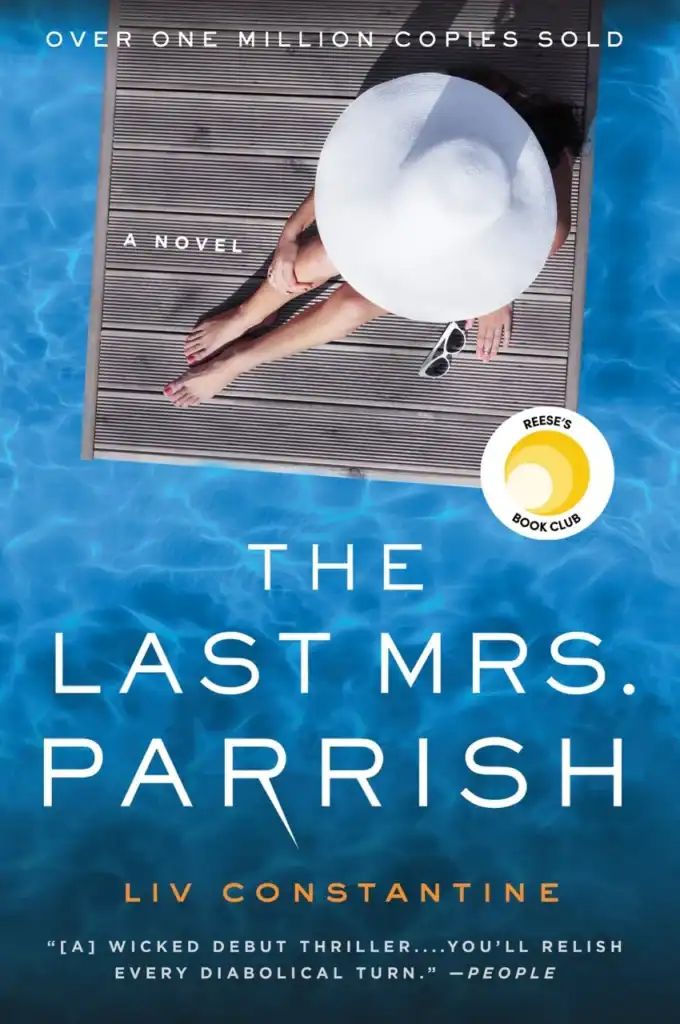
13. The Last Mrs. Parrish by Liv Constantine
Amber is tired of being a nobody.
So when she meets Daphne Parrish—beautiful, wealthy and seemingly happily married—Amber decides she wants Daphne’s life.
Including her husband.
If there is one thing psychological thrillers have taught us, it’s that you should probably stop looking at rich married couples and thinking, “God, I wish I had their life.”
You do not know what is happening in that house.
Amber certainly thinks she does.
She deliberately works her way into Daphne’s friendship and the Parrish family, convinced that Daphne has everything she deserves to have instead. The money. The house. The handsome husband. The whole beautifully packaged life.
Except, in The Last Mrs. Parrish, the closer Amber gets to having what she wants, the more complicated that picture becomes.
That’s the Yesteryear connection here: the fantasy versus the reality.
This one has nothing to do with tradwives or social commentary in quite the same way, but it absolutely understands the appeal of looking at another woman’s seemingly perfect life and assuming the view from inside must be just as good.
Spoiler: perhaps not.
Read this if you like: domestic thrillers, rich people behaving badly, marriage secrets, manipulative women and perfect lives that should come with warning labels.
MARRIAGE + UNRELIABLE WOMEN
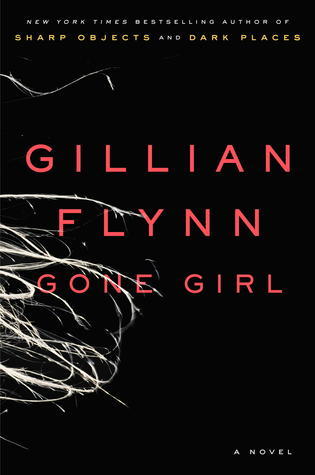
14. Gone Girl by Gillian Flynn
Amy Dunne disappears on her fifth wedding anniversary.
Her husband Nick becomes the obvious suspect.
Unfortunately for Nick, their marriage was a lot more complicated than everyone thought.
Look, you probably already know Gone Girl.
But I cannot make a list involving women, marriage, carefully constructed identities and the enormous difference between who you are and who everyone thinks you are without Amy Dunne showing up eventually.
Amy and Nick’s marriage is a performance long before anyone goes missing.
And Gone Girl is particularly interested in the versions of ourselves we create to become desirable—the Cool Girl, the perfect husband, the happy couple everyone else sees.
That’s where it clicks with Yesteryear.
Natalie’s public identity is built around a particular version of womanhood. Amy has some rather famous thoughts about performing the version of womanhood men want. Neither book is particularly subtle about how exhausting—and potentially destructive—it can be to build your life around playing a character.
Granted, Amy takes her dissatisfaction somewhat further than most people would.
Read this if you like: unreliable narrators, toxic marriages, female rage, psychological thrillers and women who are allowed to be spectacularly complicated.
MARRIAGE + FEMALE RAGE
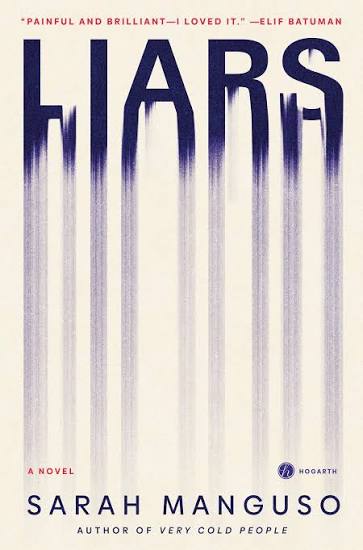
15. Liars by Sarah Manguso
Jane is a successful writer who marries John and has a child with him.
Somewhere along the way, their marriage becomes less of a partnership and more of a life Jane is expected to hold together by herself.
She is not thrilled about it.
There are no murders here. No dystopian governments. Nobody wakes up in another century.
Just a marriage.
Which, as it turns out, can provide plenty of horror on its own.
Liars looks at all the tiny ways a woman can disappear inside a marriage: the childcare, the housework, the compromises, the career that somehow becomes less important and the endless invisible work required to keep everyone else’s life functioning.
And Jane is angry about it.
That makes this one an interesting companion to Yesteryear, because it strips away the pretty packaging around traditional domestic life without needing anything speculative to do it.
Sometimes the problem isn’t that the perfect wife is trapped in 1855.
Sometimes it’s that she’s standing in a modern kitchen wondering why she’s still the one doing everything.
Read this if you like: literary fiction, messy marriages, motherhood, female rage and women who are very much done pretending everything is fine.
TIME TRAVEL + THE PAST IS HORRIBLE
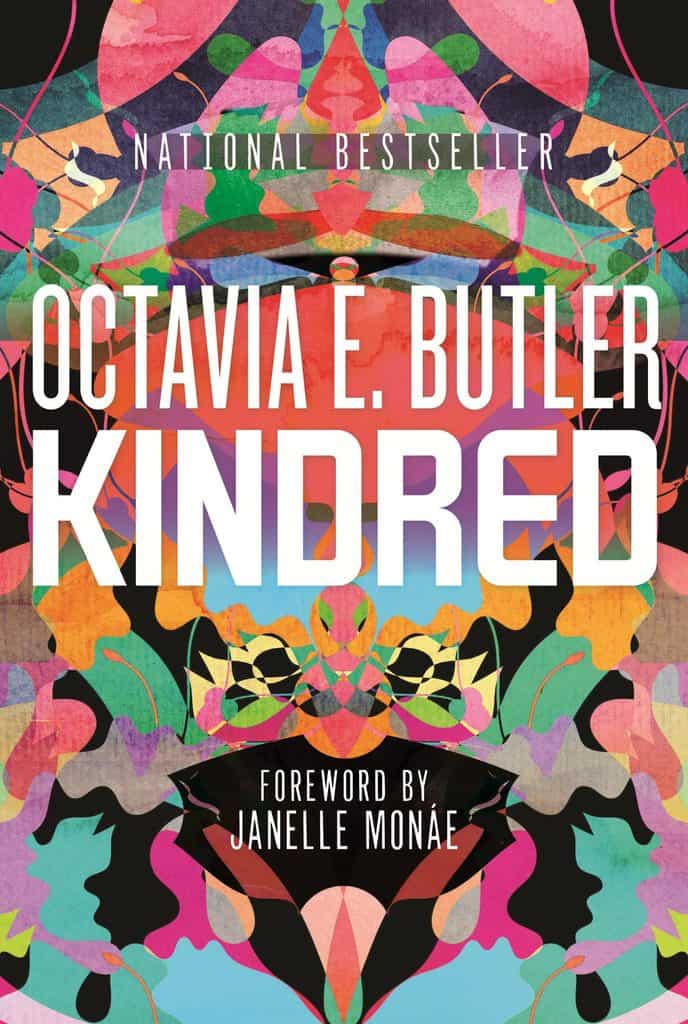
16. Kindred by Octavia E. Butler
Dana is a Black woman living in 1970s California when she is suddenly transported to antebellum Maryland.
She keeps getting pulled back—and every trip leaves her trapped in a past where her freedom and her life are in danger.
Kindred is a very different book from Yesteryear, and it deserves to be treated like one.
But there is one connection between them that makes it impossible for me to leave off this list: a modern woman being forced to actually live in a historical period instead of viewing it safely from the present.
For Dana, that history is slavery.
Butler doesn’t use time travel to make the past charming or romantic. She uses it to eliminate the comfortable distance between knowing something happened and experiencing what that history actually meant for the people forced to live through it.
And that makes Kindred one of the most powerful versions of the “modern woman gets dropped into the past” premise you can read.
It’s darker, heavier and dealing with history that Yesteryear isn’t remotely equipped to touch in the same way. But if the time-displacement element was what fascinated you—and you want to see what that device can do in an entirely different kind of novel—read this one.
Read this if you like: historical fiction, speculative fiction, time travel, difficult history and books that refuse to romanticize the past.
MOTHERHOOD + PSYCHOLOGICAL WEIRDNESS
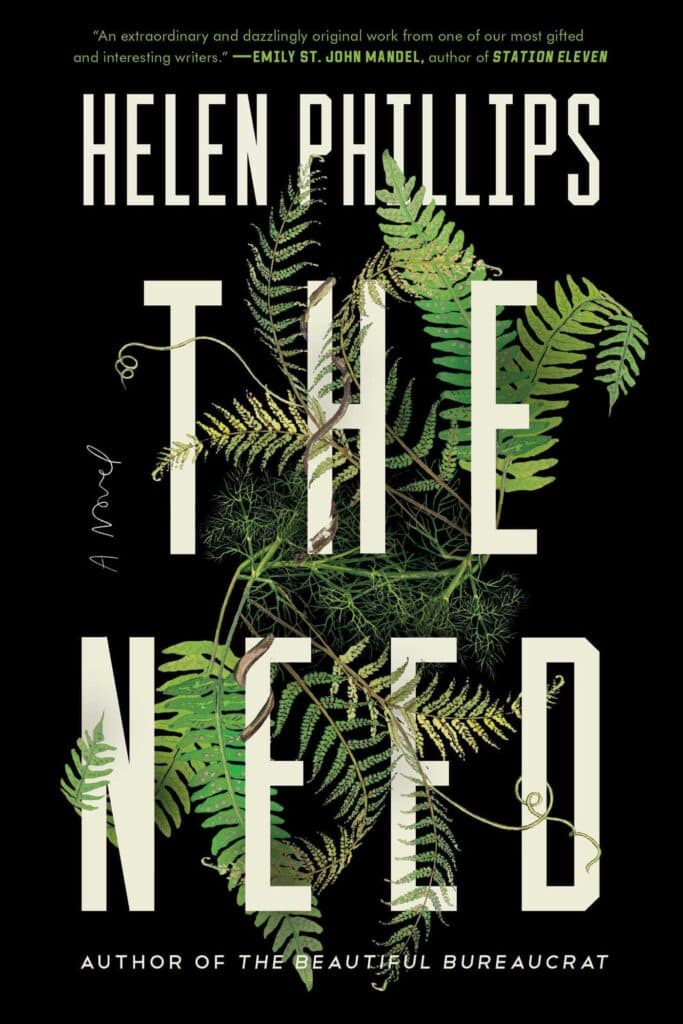
17. The Need by Helen Phillips
Molly is home alone with her two young children when she realizes someone else is in the house.
Then she meets the intruder.
And somehow, that makes things even weirder.
This is another one where the connection to Yesteryear isn’t particularly obvious from the plot.
But stay with me.
The Need takes the completely ordinary exhaustion, anxiety and identity crisis of early motherhood and turns it into something deeply strange.
Molly loves her children. She is also exhausted by them. She wants to protect them from absolutely everything while occasionally desperately wanting to be somewhere they are not.
You know. Motherhood.
Where it connects to Yesteryear is in its willingness to let motherhood be complicated. Neither book is particularly interested in the polished version where becoming a mother magically makes a woman endlessly patient, selfless and fulfilled.
And The Need takes those contradictions somewhere increasingly unsettling.
Read this if you like: psychological suspense, speculative fiction, complicated motherhood, surreal stories and books where you’re never entirely sure what the hell is happening.
MOTHERHOOD + WOMEN AS PRODUCTS
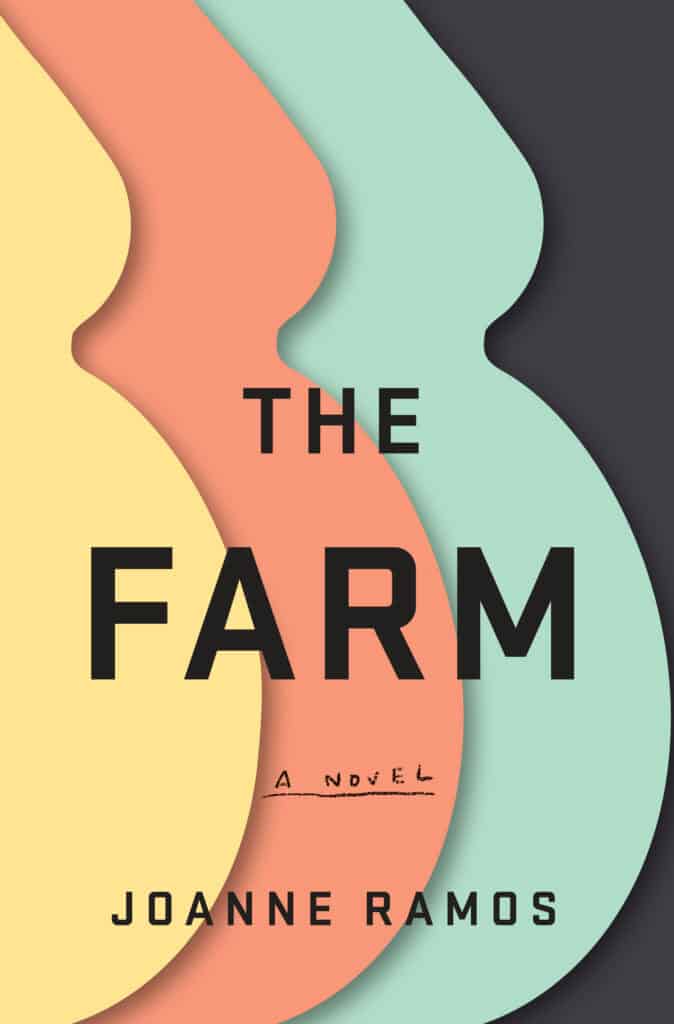
18. The Farm by Joanne Ramos
Golden Oaks is a luxurious retreat where women are paid to have babies for extremely wealthy clients.
Everything they do is monitored.
But don’t worry. It’s all for the baby.
Nothing says relaxing luxury retreat quite like being pregnant under constant surveillance for rich people.
The Farm takes pregnancy and motherhood and turns them into a business—complete with wealthy clients, carefully selected surrogates and a facility designed to produce the healthiest, most desirable babies possible.
Which raises some fairly obvious questions about who gets to make choices when women’s bodies become valuable to somebody else.
Like Yesteryear, this is social commentary wrapped inside a story that’s unsettling enough to keep you turning pages. It looks at motherhood, class, money and the expectations placed on women without turning into a lecture about any of them.
And unlike some of our more overt dystopias, the world of The Farm feels close enough to ours that the whole thing is just a little too plausible for comfort.
Read this if you like: social commentary, reproductive dystopias, complicated motherhood, class politics and seemingly perfect solutions with deeply uncomfortable strings attached.
MOTHERHOOD + UNRELIABLE REALITY
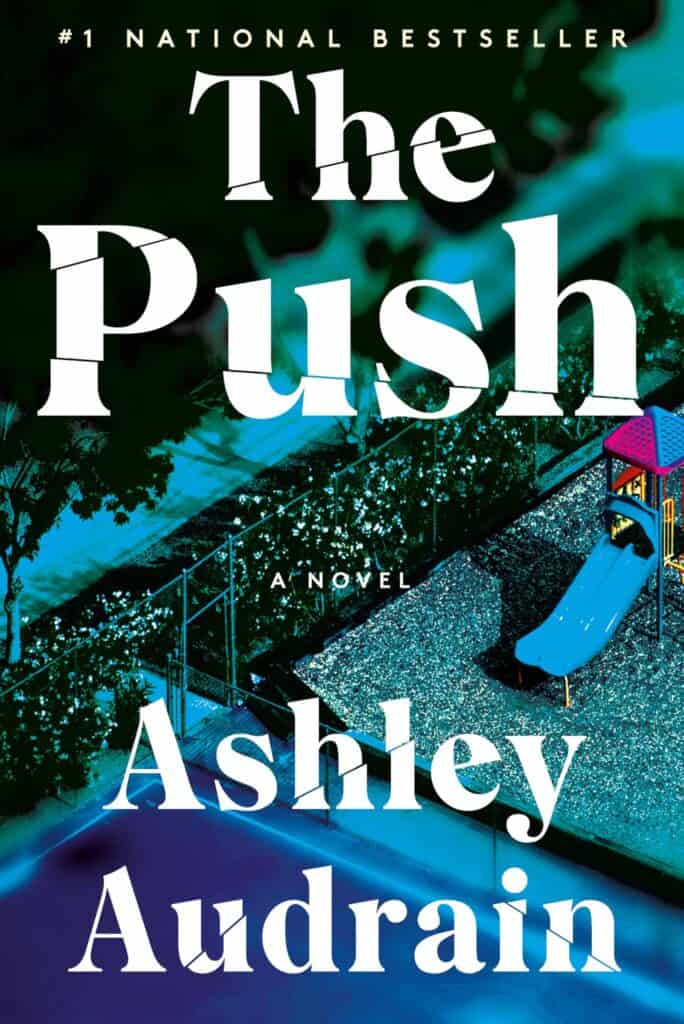
19. The Push by Ashley Audrain
Blythe always worried she wouldn’t be a good mother.
Then her daughter Violet is born, and Blythe becomes convinced there is something wrong with her.
The problem? Nobody believes her.
Apparently we’re ending this list with several books determined to make motherhood as stressful as humanly possible.
The Push is much more psychological thriller than social satire, and it takes one of the expectations surrounding motherhood—the idea that a mother should instinctively understand and adore her child—and makes it deeply uncomfortable.
Blythe doesn’t experience motherhood the way she’s supposed to.
Her relationship with Violet is difficult from the beginning, and as Violet gets older, Blythe becomes increasingly convinced that her daughter’s behavior isn’t normal. Her husband, meanwhile, thinks the problem might be Blythe.
And because we’re experiencing so much of the story through her, we’re stuck wondering the same thing.
That’s what makes this work after Yesteryear. Both give us complicated women and versions of motherhood that don’t fit neatly into the endlessly nurturing, naturally fulfilled ideal we’re so often sold.
The Push just takes that discomfort somewhere considerably darker.
Read this if you like: psychological thrillers, unreliable narrators, complicated motherhood, family secrets and books that make you question whose version of events you should believe.
PERFECT WIFE + SCI-FI NIGHTMARE
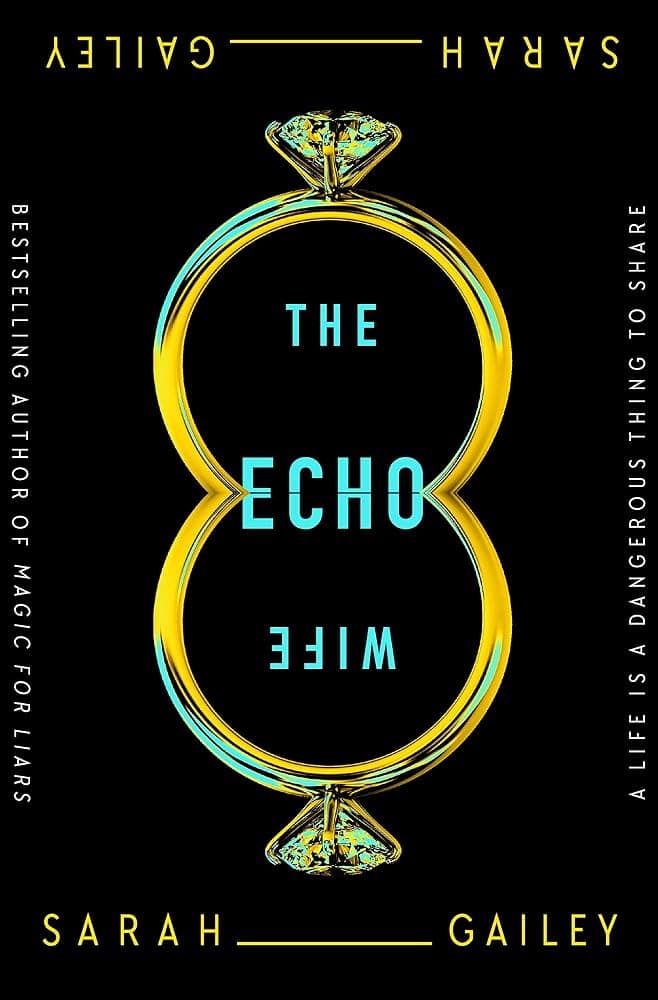
20. The Echo Wife by Sarah Gailey
Evelyn’s husband has left her for another woman.
There is one slight complication.
The other woman is a clone of Evelyn.
Nothing says healthy marriage quite like secretly using your wife’s research to make yourself a replacement wife.
Nathan hasn’t just created another Evelyn.
Martine is the version he apparently wanted Evelyn to be: gentler, more obedient, more domestic and perfectly happy to devote herself to him.
Which is…quite a choice.
The Echo Wife takes the idea of the “perfect wife” more literally than anything else on this list. Instead of expecting a complicated woman to squeeze herself into that role, Nathan essentially decides he’ll just build one.
And that makes it a fantastic book to end on.
Like Yesteryear, it’s interested in the roles women are expected to perform—and what happens when an actual woman refuses to behave like the idealized version somebody else has created for her.
It’s sci-fi, it’s dark, it’s deeply weird and the marriage is an absolute disaster.
What more could we possibly want?
Read this if you like: sci-fi thrillers, complicated women, terrible husbands, questions about identity and extremely unconventional marital problems.
So, What’s Yesteryear Actually About?
Natalie Heller Mills has built an empire out of convincing women that life was better before things got so complicated.
She’s a massively successful tradwife influencer with six kids, a handsome rancher husband and millions of followers watching her bake bread, homeschool her children and live out a carefully curated version of old-fashioned domestic bliss.
There’s just one teeny problem.
Natalie’s life is not quite as authentic as she makes it look.
Then she wakes up in 1855.
Not at a historical reenactment. Not on a particularly committed content retreat.
Actually 1855.
Suddenly, Natalie is living the life she’s spent years romanticizing—with no internet, no modern conveniences and none of the very modern safety nets that make cosplaying the nineteenth century considerably more appealing.
And getting home means figuring out why she’s there in the first place.
Yesteryear is part psychological thriller, part historical fiction and part extremely pointed satire about tradwife culture, influencer authenticity and our tendency to romanticize a past we very conveniently never had to live through.
Basically, Natalie wanted traditional living.
The universe called her bluff.
So, What Should You Read Next?
Okay, but twenty books is still a lot of books.
If you want the closest match to Yesteryear, start with Everyone Is Lying to You. You’ve got tradwives, influencers, carefully curated lives and a murder thrown in for good measure.
Want to stay firmly in your tradwife nightmare era? Go with Trad Wife or the OG domestic nightmare, The Stepford Wives.
If it was the social commentary that got you, read Vox or The School for Good Mothers.
For something more psychological thriller, pick up The Last Mrs. Parrish, The Push or—if you’ve somehow made it this far in life without reading it—Gone Girl.
If the whole modern-woman-dropped-into-the-past thing was your favorite part, Kindred takes that idea somewhere much darker and more serious.
And if your primary reaction to Yesteryear was simply, “Well, that was fucking weird. More please,” go with Nightbitch, The Husbands or The Echo Wife.
Honestly, you have options.
Just maybe don’t wish for a simpler life near any suspicious wells.